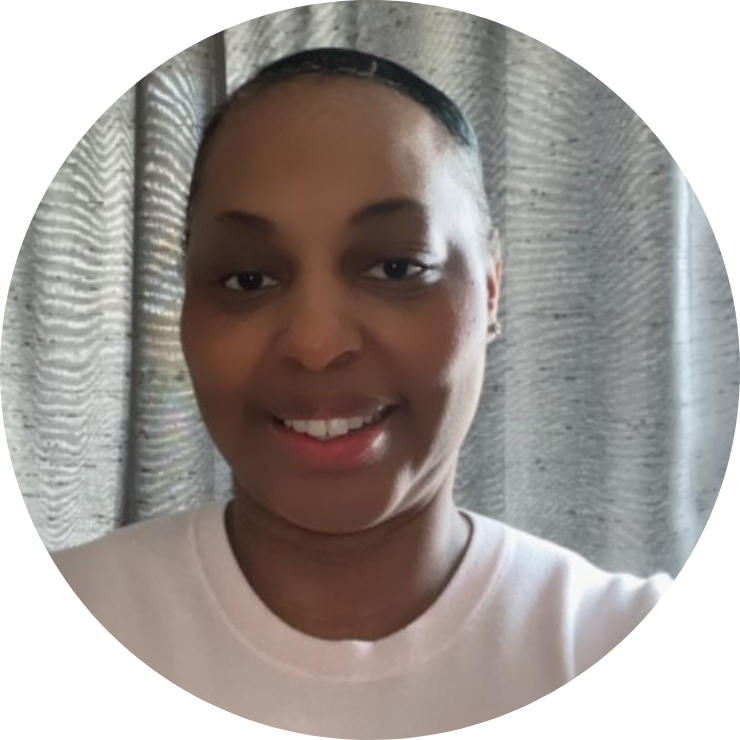
Marilyn Oliver, RPN - Creating Brave Spaces in Nursing
For Marilyn Oliver, RPN, nursing has always been about one central truth: regardless of the setting or sector, the goal is to help.
“Ultimately, regardless of who you are,” she says, “we’re all going to need some sort of help at one point or another.”
That belief has shaped a career spanning home and community care, long-term care, acute care, and now professional practice at WeRPN where she supports nurses across Ontario through education, the development of cultural competency resources, and courageous conversations about diversity, equity, inclusion and belonging (DEIB).
Where It All Began: Community
Although Marilyn has worked in multiple healthcare environments, it is home and community care that holds her heart.
“Working in the community really showed me how people live…” she explains. “You get to meet people where they are and help them in the way they want to be helped.”
For nine years, she entered people’s homes, often as the only healthcare professional they would see. The experience was both humbling and eye-opening. It revealed not just clinical needs, but loneliness, isolation, and the profound impact of presence.
“Sometimes you’re the only person they see,” she says. “Imagine sitting in silence and not having someone even stop by to say hello. It’s isolating.”
Those years strengthened Marilyn’s clinical judgment and just as importantly, her empathy. Community care taught her that nursing is not just about tasks. It is about connection.
A Leap Beyond the Bedside
After years of shift work, Marilyn began to feel the pull toward something different. “Those 12-hour night shifts were killing me,” she admits. “My brain was falling asleep. I needed a change.”
Marilyn decided to take a leap into professional practice at WeRPN – a move she describes honestly as both exciting and disorienting. “I was truly lost in the sauce for a good solid year,” she laughs. “Not knowing what the heck I was doing.”
But over time, the clouds lifted. Her diverse experience, particularly in community care, became the foundation for her new work supporting RPNs through education, advocacy, and professional resources.
From Safe Spaces to Brave Spaces
At WeRPN’s 2025 AGM, Marilyn presented Brave Spaces: Dialogue, Diversity and Change which is a topic deeply connected to her work in cultural competency and equity-focused practice.
She makes an important distinction between “safe spaces” and “brave spaces.”
“Safety is something everybody wants,” she explains. “But you can’t guarantee it to the next person. With brave spaces, you’re standing up and speaking your truth. It takes courage.”
For Marilyn, bravery is about naming difficult realities professionally, respectfully, and honestly, even when discomfort is present. In healthcare, where teams are increasingly diverse and the stakes are high, those conversations matter.
“You’re letting people know it’s taking a lot out of you to speak,” she says. “And that vulnerability creates room for learning.”
Building Cultural Competence in Practice
Marilyn has helped lead the development of WeRPN’s cultural competency toolkit and equity-focused resources. The work did not emerge from theory alone but came from recognizing real gaps.
“As an organization, we know these gaps exist,” she says. “It’s about starting the conversation and leading with compassion.”
She also brings lived experience to the work. As a Black woman in nursing, she understands the complexities of identity, belonging, and bias in healthcare settings — even if her own journey has not always included overt incidents.
“For new nurses especially, the culture has changed so much,” she says. “Having tools to reflect and to understand who you are, who you serve, and how you work together makes a huge difference.”
Humility as a Foundation
When asked what guidance she offers nurses who feel unsure about engaging in conversations around bias, equity, and inclusion, Marilyn’s answer is simple:
“Be humble.”
Humility, she believes, is the root of growth. “I don’t know everything,” she tells colleagues and learners. “If you don’t ask me, I can’t learn. And if I don’t know, I can’t do better.”
For RPNs working in increasingly diverse communities, she encourages two practical steps:
- Don’t be afraid of your voice.
- Don’t be afraid to learn from others.
“We tend to feel like we’re the victim,” she says. “A lot of times, we’re just in our heads. Step away from yourself and learn with others.”
Looking Ahead
Marilyn sees the future of nursing as undeniably diverse and not just in patient populations, but within the profession itself. For equity, inclusion, and belonging to grow, she believes nurses must actively participate in change rather than waiting for it.
“As much as you want information to be given to you, you also have to go find it,” she says. “Be involved. Be part of the community.”
For WeRPN, she envisions continuing this work at an even higher level by listening, learning, and responding to the realities nurses face.
And her final message?
“Embrace each other. There’s beauty in each of us — we just forget sometimes.”
Visit our website to learn more about the cultural competency resources that are available to nurses.